
Understanding Anxiousness Through
Ayurveda and Modern Science
Guest Author Ashok Alexander: Ayurvedic practitioner at Sophic wellness.
In our fast-paced world, speaking has become currency. We speak to convince, to
lead, to explain, to defend, and sometimes… just to fill silence. Especially in
leadership and high-performance roles, the demand to speak — to perform verbally — is constant. But few stop to notice: what happens in the body and mind when we
speak too much?
From an Ayurvedic lens, this question isn’t philosophical — it’s physiological.

Ayurveda and the Winds of Vata
In Ayurveda, Vata dosha governs all movement — breath, thoughts, nerve impulses, and yes, speech. It is light, dry, quick, and subtle in nature — like the wind. When we speak rapidly, jump from topic to topic, or stay in front of people all day explaining and performing, we amplify Vata. And like wind stoking a flame, this can lead to a fire of inner restlessness.
Too much speaking — especially without pauses, grounding, or conscious breath
can:
Dry the tissues (especially throat, skin, and gut)
Aggravate the nervous system
Increase prana vyana vayu (circulatory mental activity)
Trigger anxiety, insomnia, digestive irregularities
Lead to what Ayurveda calls Chittavikshepa — a distracted, unsettled mind
The irony? The very effort to “stay connected” through speech can pull us further
away from our internal stillness.

Modern Science: The Overstimulated Nervous System
Neuroscience agrees. Speaking isn’t just vocal cords and breath — it activates your
prefrontal cortex, engages motor planning centres, and draws energy from your
autonomic nervous system. Frequent speaking — especially in high-stress, high-
performance settings — keeps the sympathetic nervous system (fight or flight mode)
subtly engaged.
This results in:
Increased cortisol and adrenaline levels
Reduced heart-rate variability (a marker of stress resilience)
Poorer sleep quality and digestion
Difficulty accessing slower, deeper brainwaves needed for creativity, rest, and
memory
In short, over-speaking = over-stimulating. The nervous system doesn’t get to relax.

But Isn’t Speaking Connection?
Yes — speaking is powerful. It connects. It leads. It heals.
But as Ayurveda teaches, anything in excess becomes imbalanced. When speaking
becomes habitual, unconscious, or performative, we disconnect from the stillness
within — the very source of clarity, magnetism, and wisdom.
This is why ancient Ayurvedic texts recommended Mauna (intentional silence) as
medicine — not just spiritual practice. It also asks us to filter each speech through
three lens, is it important, is it helpful, it is truth before speaking.
5 Gentle Ayurvedic Tips to Ground After Speaking Too Much
- Sip warm, oily teas – like licorice, tulsi, or fennel with a teaspoon of ghee to
counteract Vata dryness. - Apply warm sesame oil to the throat, ears, and scalp before sleep — known
as Abhyanga for Vata. Shirodhara, an ayurveda practice once a while is very
helpful. - Sit in silence post meetings – Just 3-5 minutes of eyes-closed, still sitting
helps reset your breath and brainwaves. - Practice Bhramari (Humming Bee Breath) – This gentle sound-vibration calms
the vagus nerve. - Digital detox + early dinners – Both support calmer digestion and quieter
sleep.
Final Thought: Your Voice Matters — But So Does Your Stillness
We live in a world where everyone wants to be heard. But as you begin to honour
your inner landscape, you may realise — not every word must be spoken. Not every moment needs to be filled.
In leadership, wellness, and life — your presence speaks louder than words.
Let your nervous system rest. Let your Vata settle. Let silence become your
sanctuary.
Looking for more?
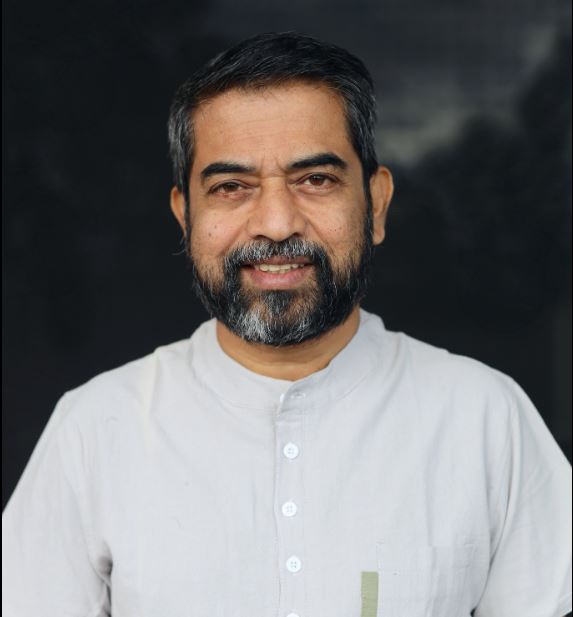
Make an appointmet to see Ashok today!
Ashok is an Ayurveda Practitioner, Yoga Teacher, meditation facilitator and Founder of AIAYS, whose journey of resilience and self-discovery has shaped his heartfelt approach to healing.


Leave a comment